Supporting The Energy Transition With Etched Metal Parts For Hydrogen And Power Electronics
(25th February 2026, Muellheim, Germany) The energy transition will not be delivered by slogans, but by metal parts measured in microns. As governments double down on hydrogen infrastructure and high-efficiency power electronics, the performance of fuel cells, electrolysers, inverters, and converters increasingly depends on ultra-precise metallic components hidden deep inside the system. This is where photo-chemical etching (PCE) from the Micro Component Group is becoming a critical enabler.
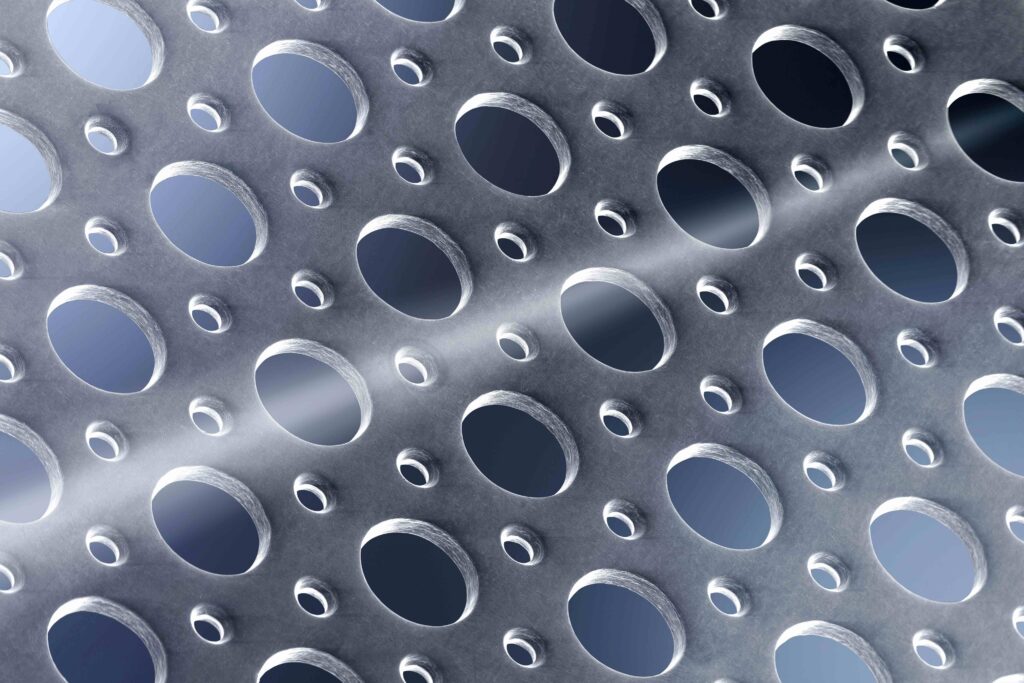
PCE allows complex, burr-free features to be produced in thin metals without mechanical stress or heat-affected zones. For hydrogen systems, that means flow plates, precision meshes, gaskets, and filter structures with tightly defined channel geometries, edge quality, and flatness – all essential for optimised gas distribution, efficiency, and durability. In power electronics, etched copper and stainless components support advanced thermal management, EMI/EMC shielding and current control, helping engineers push power density without sacrificing reliability.
“Hydrogen and power electronics are moving from demonstration projects to industrial scale,” says Jochen Kern, Head of Sales & Marketing at Micro Component Group. “That step change demands components that are not just ‘good enough’, but consistently perfect at very high volumes. PCE gives designers freedom to innovate while keeping process capability under tight control.”
Unlike stamping or laser cutting, PCE requires no hard tooling and keeps design locked in the digital domain. This allows rapid iteration of channel designs, aperture patterns, and current paths, enabling OEMs to optimise fluid dynamics and thermal behaviour early in development. The same digital tool set then scales directly into mass production, making it easier to industrialise promising concepts and respond to evolving standards.
“With our combination of reel-to-reel and sheet-based etching, plus complementary processes such as electroforming and laser machining, we can support customers from first prototype through to millions of parts,” Kern adds. “For companies investing heavily in hydrogen and next-generation power platforms, that continuity of process and know-how is a strategic advantage.”
For manufacturers who have never used PCE, the message is simple. The energy transition rewards designs that extract more performance from less material. Etched metal components enable that by delivering repeatable precision, sophisticated geometries and clean, stress-free surfaces in almost any alloy.
Engineers and programme leaders exploring hydrogen or advanced power electronics are invited to engage with Micro Component Group to review current designs and identify where PCE can unlock new efficiency, lifetime, and cost benefits, and help turn ambitious energy-transition roadmaps into robust, manufacturable reality.