Data-Driven Insights and Automation: Keys to iGaming Platform Excellence
By Mouhcine Jalili, VP of Growth – iGaming — Software Mind
Today’s global online gambling market is worth $105.5 billion. Experts project it to hit $286.4 billion by 2035. The US market alone accounts for $26.8 billion.
That growth is great for business, but it brings problems. When players venture onto your iGaming platform, they expect instant onboarding and smooth gameplay because they’ve come to have fun. As a result, they have little patience for a platform that doesn’t just work every time they log in.
Behind the scenes, you may be struggling to make this happen. The truth? The fact that you’re up against outdated systems and complex integrations is irrelevant. Growth is inherently linked to the complexity of systems and platforms because new markets, more users, traffic spikes, regulations, and integrations require more interconnected, intricate architectures.
No excuses. When your platform groans under peak load or your teams struggle to ship new features, players feel it, then leave.
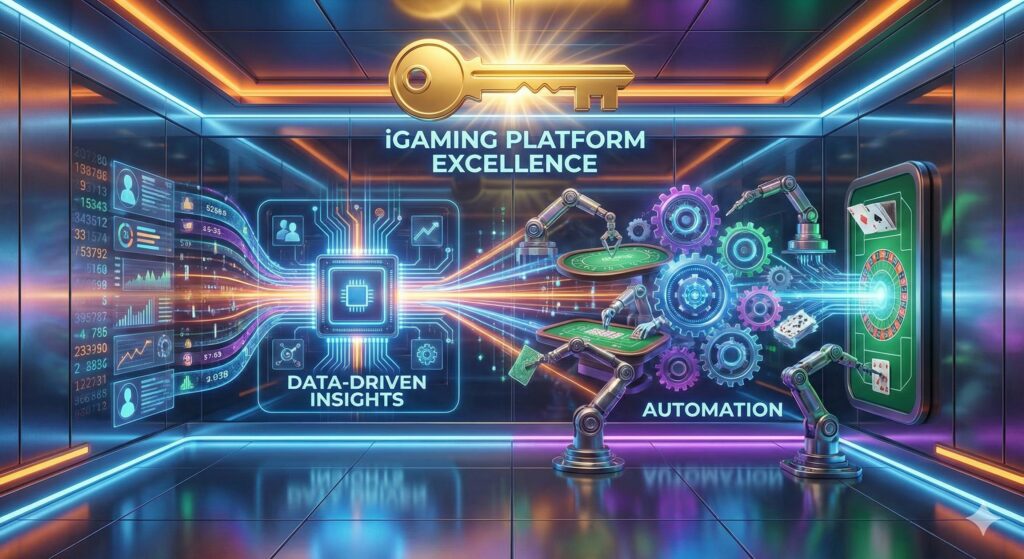
Modern platform design eliminates a whole lot of the challenge. Data and automation help you reduce the downtime that sends your players to other sites. If operators want to keep up with growth, modern architecture, data, and automation are not optional improvements but essential foundations.
Avoiding tech bottlenecks by modernizing iGaming platform builds
Does your platform have technical bottlenecks? If so, it’s time for a makeover. Modernizing your platform starts with architecture choices that favor resilience and speed.
Instead of one giant application where every change risks breaking something else, break the platform into smaller services aligned to business domains, which makes it possible for teams to work independently. They can deploy updates without stepping on each other’s toes. Most importantly, it limits issues to the one service that caused them, rather than taking your whole platform down.
Cloud-native foundations give you the ability to expand your platform for a major tournament or a blockbuster game release. When demand falls, they let you save by scaling back. With cloud-based deployment strategies, you reduce risk by rolling out new versions to a small slice of traffic first. If something goes wrong, the system automatically shifts traffic back. The releases that were once so stressful become routine.
A modern setup is more forgiving when it’s under strain. It’s also easier to evolve. That’s the beauty of an event-driven platform. Instead of systems calling each other directly, services interact through queues and streams. When gameplay events flood in, they get processed in order of need.
Modernization also means paying close attention to observability. Your teams need to see issues or errors immediately. Establish agreed-upon performance levels in advance, and ensure teams have what they need to maintain that level of reliability during real-world peaks.
There’s one more key element you find in modern platforms: they’re built for resilience. How does that look in iGaming? Write your operations so retries don’t double-charge a wallet. Employ graceful degradation so non-critical features can fail without ruining a session. Practice chaos testing so surprises happen on your terms. If a bonus service goes offline, the game should continue, with bonuses applied later and every step auditable. These choices replace fragility with confidence and give your teams the freedom to move faster.
Using automation and engineering practices to improve retention on iGaming platforms
Retention is as vital to your iGaming platform as oxygen. Ask yourself these questions:
- How quickly do your players achieve what they came to do?
- How reliably does your experience meet their expectations?
- How consistently does your platform earn their trust?
Automated personalization is one sure way to keep your players coming back. You need to present tournaments and promotions at just the right moment. Instead of weekly batch campaigns, trigger experiences based on when your players log on and how they respond to certain offers. Guide a new player through onboarding. Invite a lapsed player back with a timely nudge. When the experience feels curated, players notice.
Reliability is another way to ensure retention. Your players may not remember the thousands of sessions that don’t freeze, but you can bet they will remember the one that does. That’s why you need to adopt the engineering practices that protect your uptime and latency targets. When your external provider misbehaves, your payment gateways can time out. When your identity services slow down, your platform can absorb the impact instead of passing the frustration to your players.
Reducing any kind of friction pays off in retention. For example, you can automate identity verification with pre-validation and smart retries so players can log on faster. You can also test new features with small cohorts. If a change underperforms, you can roll it back instantly.
You also gain loyalty through trust. Equip your platform to detect larger problems instantly and escalate them for human review. Respect privacy and be clear about consent.
Turning integration and data into strategic assets on iGaming platforms
I don’t have to look at your platform to know you’re already surrounded by integrations. The question isn’t whether you have access to data; it’s whether you can turn that data into decisions at the speed of your players.
Start by looking at how your platform connects to the world. A clear integration layer gives developers a predictable way to work with your platform, reduces the time it takes to onboard a new game, and lowers risk for everyone.
In terms of data, capture everything from gameplay to wallet transactions in a central pipeline. When your data is reliable, downstream systems can consume it without constant rework.
Use streaming analytics to spot anomalies as they happen. If deposit failures spike in a region, trigger proactive messages or offer alternate payment options. If a new game is overperforming with a specific cohort, highlight it for similar players. The goal is to make better use of your resources and react to market shifts with confidence.
Last but not least, use your data. The right system will identify risks to retention and recommend the next best action. It can inform which onboarding paths reduce drop-off and show you which game combinations increase session satisfaction for specific cohorts.
That information isn’t worth much unless you can use it to act in real time. You’re your system’s predictions with automation, so insights trigger meaningful changes in the experience you offer.
Player expectations rise daily, so your platform has to adapt fast, too. The good news is that iGaming excellence isn’t a mystery; it’s modern architecture, automated operations, and data that move decisions.
Break your bottlenecks by building modular, observable systems that scale up when traffic surges and degrade gracefully when something goes wrong. Improve retention by engineering reliability and personalization into the core experience. And turn integrations and data into assets that accelerate your roadmap.

Mouhcine Jalili is a senior commercial executive with over 15 years of experience in the iGaming industry, spanning operator and supplier roles across operations, product, and commercial leadership. He currently serves as VP of Growth for iGaming at Software Mind, where he partners with senior technology leaders to deliver scalable, compliant SaaS platforms and outsourced engineering solutions. Mouhcine specializes in building long-term engineering partnerships that align technical roadmaps with commercial realities. He is known for combining deep iGaming domain expertise with a pragmatic, results-driven approach to growth and platform evolution.