3D People Helps Power Breakthrough Maritime Sustainability With Armada Technologies’ Passive Air Lubrication System
Armada Technologies’ Passive Air Lubrication System cuts ship fuel use via 3D-printed venturi ejectors, flawless after eight months at sea.
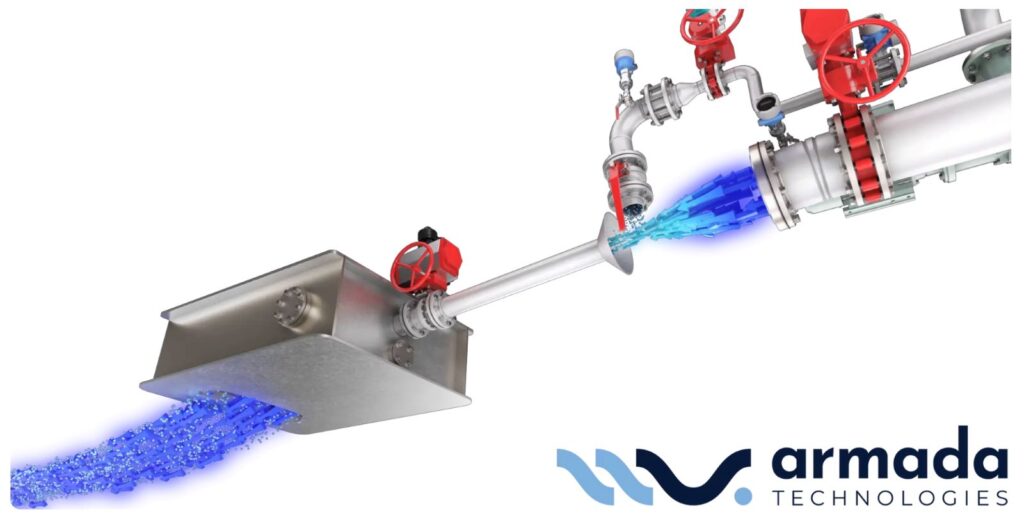
In brief: Passive Air Lubrication System (PALS), developed by Liverpool-based Armada Technologies, reduces ship drag by releasing microbubbles beneath a hull using the vessel’s forward motion rather than energy-hungry compressors. London-based 3D People manufactured a critical venturi ejector component in PA12 Nylon via selective laser sintering and vapour smoothing across four production batches. As of January 2026, the parts had operated flawlessly for eight months after installation aboard an LNG carrier.
(13th January 2026, London, U.K.) A small 3D printed component is making a big impact beneath the hull of an Liquid Natural Gas (LNG) carrier, and it’s London-based 3D People that helped bring this engineering innovation to life. Armada Technologies, a Liverpool-based firm on a mission to reduce the environmental impact of global shipping, turned to 3D People to manufacture a critical part for its revolutionary Passive Air Lubrication System (PALS).
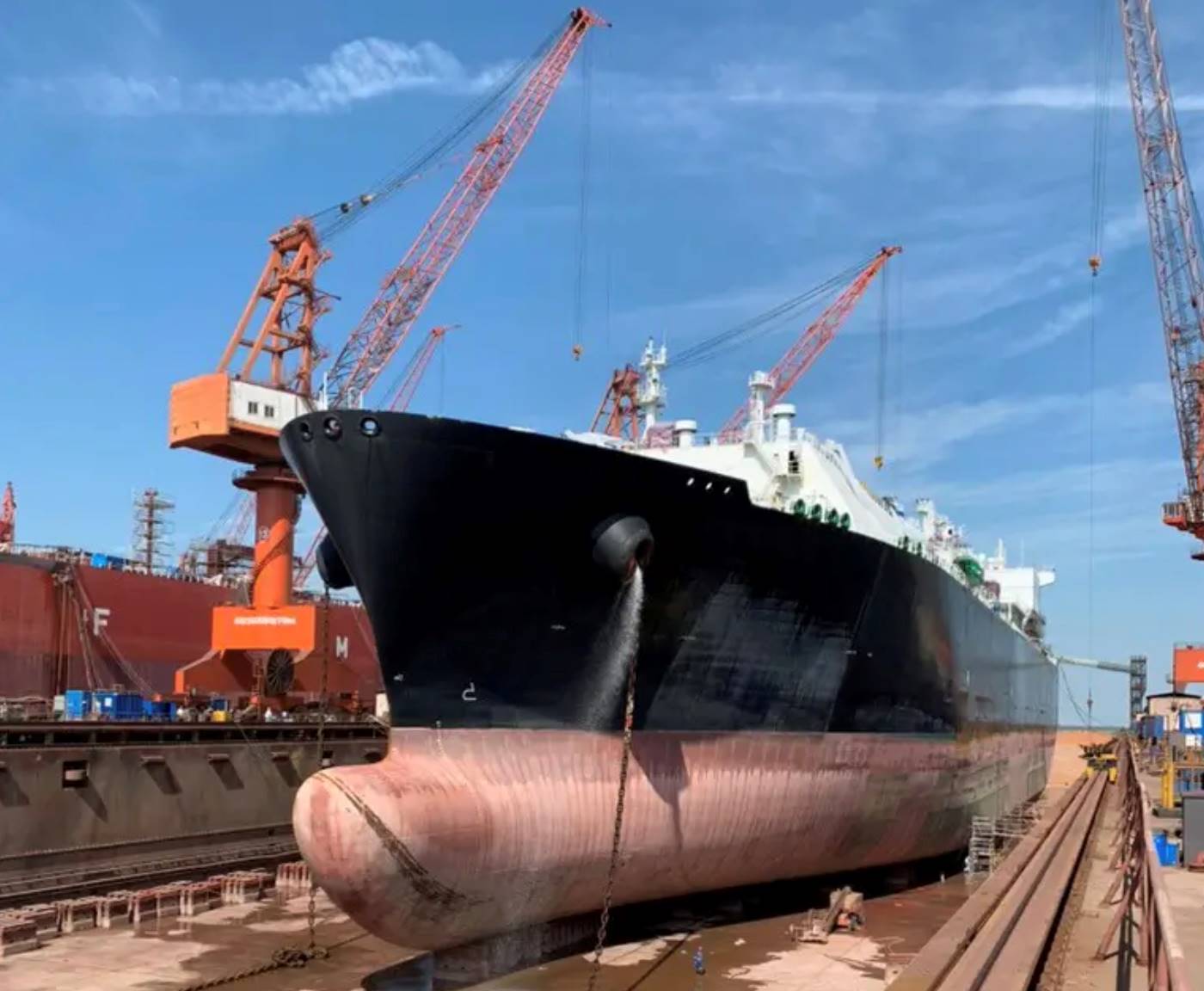
PALS is a transformative technology that reduces drag by releasing microbubbles beneath a ship’s hull, creating an aerated layer that cuts fuel consumption and emissions. Unlike traditional systems that rely on energy-hungry compressors, Armada’s design uses the vessel’s own forward motion to draw air through a proprietary venturi ejector. But producing that ejector (a precision geometry exposed to extreme pressures, corrosive seawater, and continuous flow) posed a major manufacturing challenge.
Traditional methods couldn’t deliver the required internal features, surface uniformity, or environmental durability. Industrial additive manufacturing, however, offered the perfect solution, and Armada needed a partner with both capability and engineering intelligence.
“3D People stood out immediately,” said Armada COO Roger Armson. “They understood the complexity of the part, grasped our technical needs quickly, and delivered prototypes that met our stringent functional and compliance requirements.”
Using PA12 Nylon for its strength and marine resilience, 3D People produced the components via SLS and used vapour smoothing to ensure optimal fluid interaction. Over four production batches, every part met Armada’s tight timeline and quality thresholds. Eight months after installation, the components continue to operate flawlessly.
For 3D People, the project reflects the real potential of industrial 3D printing.
“We love projects where additive manufacturing isn’t just convenient, it’s transformative,” says Sasha Bruml, Co-Founder of 3D People. “Working with Armada shows how AM can unlock sustainable engineering solutions that simply wouldn’t be possible any other way.”
Co-Founder Felix Manley adds, “This is exactly where 3D People excels, complex parts for demanding environments, and customers who value engineering collaboration. Our role isn’t just to print parts, but to help solve problems.”
As global industries push toward cleaner, more efficient technologies, the collaboration demonstrates how agile, production-grade 3D printing can accelerate innovation in even the harshest operating environments.
“As sustainable technologies scale and engineering challenges become more complex, partnerships like this show why additive manufacturing is now integral to modern industrial problem-solving,” Bruml adds. “3D People has spent years building the expertise, precision, and reliability that projects like Armada’s demand, and we will continue to be the partner innovators turn to when performance truly matters.”
To access the full Armada case study click HERE – https://www.3dpeople.uk/3dpeopleuk-blog/3d-printing-for-maritime-engineering-efficiency/
Contact 3D People
t. 020 4530 8250
Key questions
How does Armada Technologies’ Passive Air Lubrication System reduce fuel consumption?
PALS releases microbubbles beneath a ship’s hull, creating an aerated layer that cuts drag. It uses the vessel’s own forward motion through a venturi ejector, requiring no energy-hungry compressors.
What material and process did 3D People use to make the venturi ejector?
3D People produced the components in PA12 Nylon using selective laser sintering, then applied vapour smoothing to ensure optimal fluid interaction and marine durability.
Why couldn’t traditional manufacturing methods produce the venturi ejector?
Traditional methods could not deliver the required internal geometry, surface uniformity, and durability needed to withstand extreme pressures and corrosive seawater exposure.